
CulturalInterview
A Conversation with Sir John Tusa
Fifty years of institutions, from the World Service to the Barbican. On authority, patience, and why boards are usually the last to know.
Imogen Beecroft · 2 August 2026 · 14 min
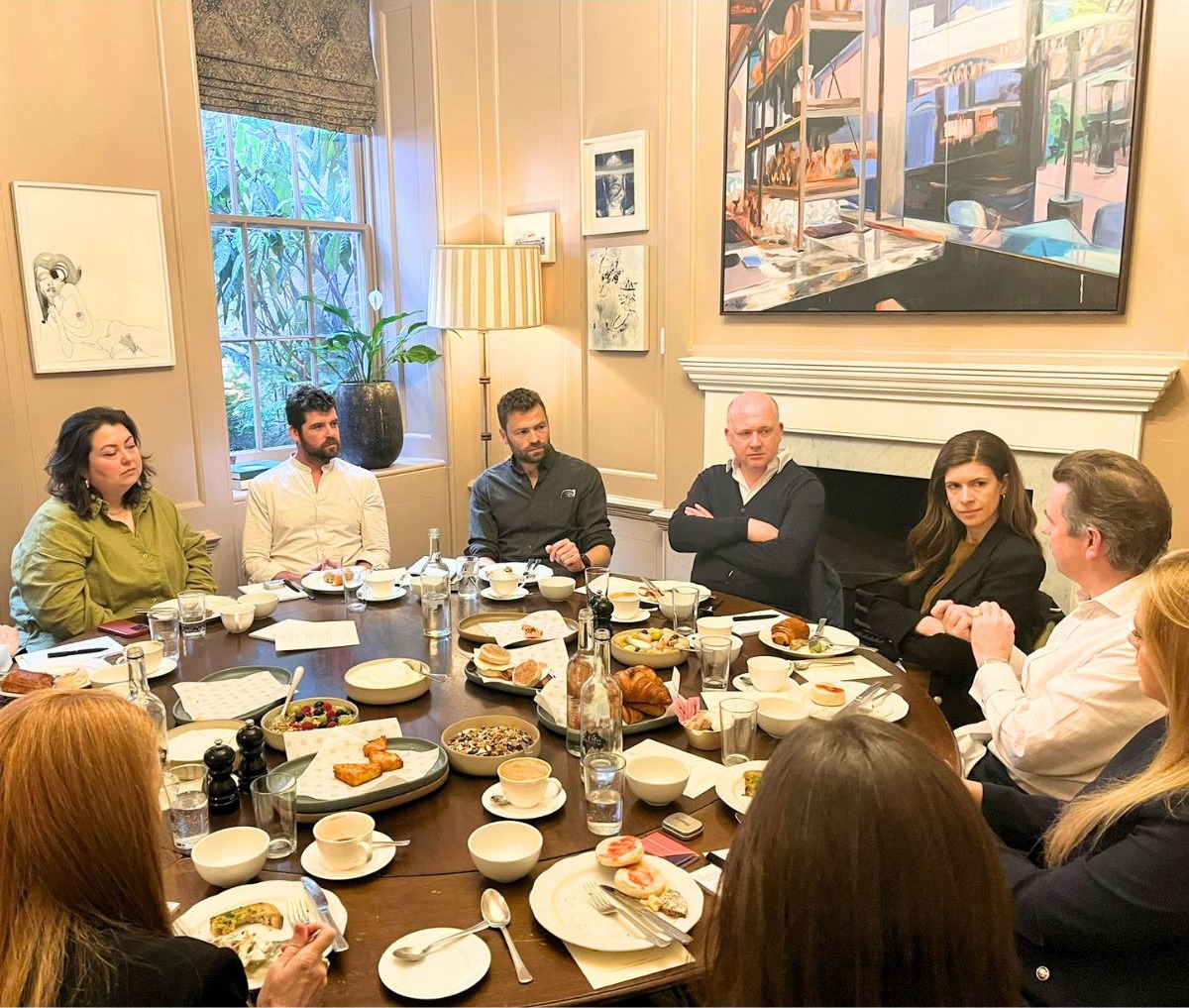
Sir John Tusa has spent a career inside institutions that were, at various points, described as unfit for purpose: the BBC World Service, the Barbican, more boards than he cares to enumerate. He is unsentimental about all of them.
"An institution is a set of habits," he says. "You can change its strategy in an afternoon. Changing what people do at eleven o'clock on a Tuesday takes five years, and that is the only change that counts."
We talk about authority — where it comes from now that deference has gone. His answer is characteristically flat: consistency over time, publicly tested. "People will forgive an institution almost anything except the discovery that it does not mean what it says. That is fatal, and it is always self-inflicted."
On governance, he is blunter still. Boards, he argues, are structurally the last to hear bad news, and the good ones design against their own comfort. "If everything that reaches you has already been made presentable, you are not governing. You are being managed."
Asked what he would tell a chief executive taking on a battered institution, he pauses only briefly. "Find the two things it is genuinely for. Say them until you are bored of them. Then keep saying them."

Imogen Beecroft
Founding Partner · The Hanwell Group
Two decades advising boards and founders on reputation, client counsel and institutional change.